
Warehouse Automation with Robotics in Modern Logistics
The logistics industry is entering a phase of powerful transformation with the development of robots and artificial intelligence. From warehouse management to internal transport, automated robotic solutions are helping businesses optimize operations, reduce costs, and enhance overall performance.
In modern Smart Warehouse models, warehouse robotics are no longer technologies of the future but have become an essential trend for manufacturing, e-commerce, and logistics enterprises.
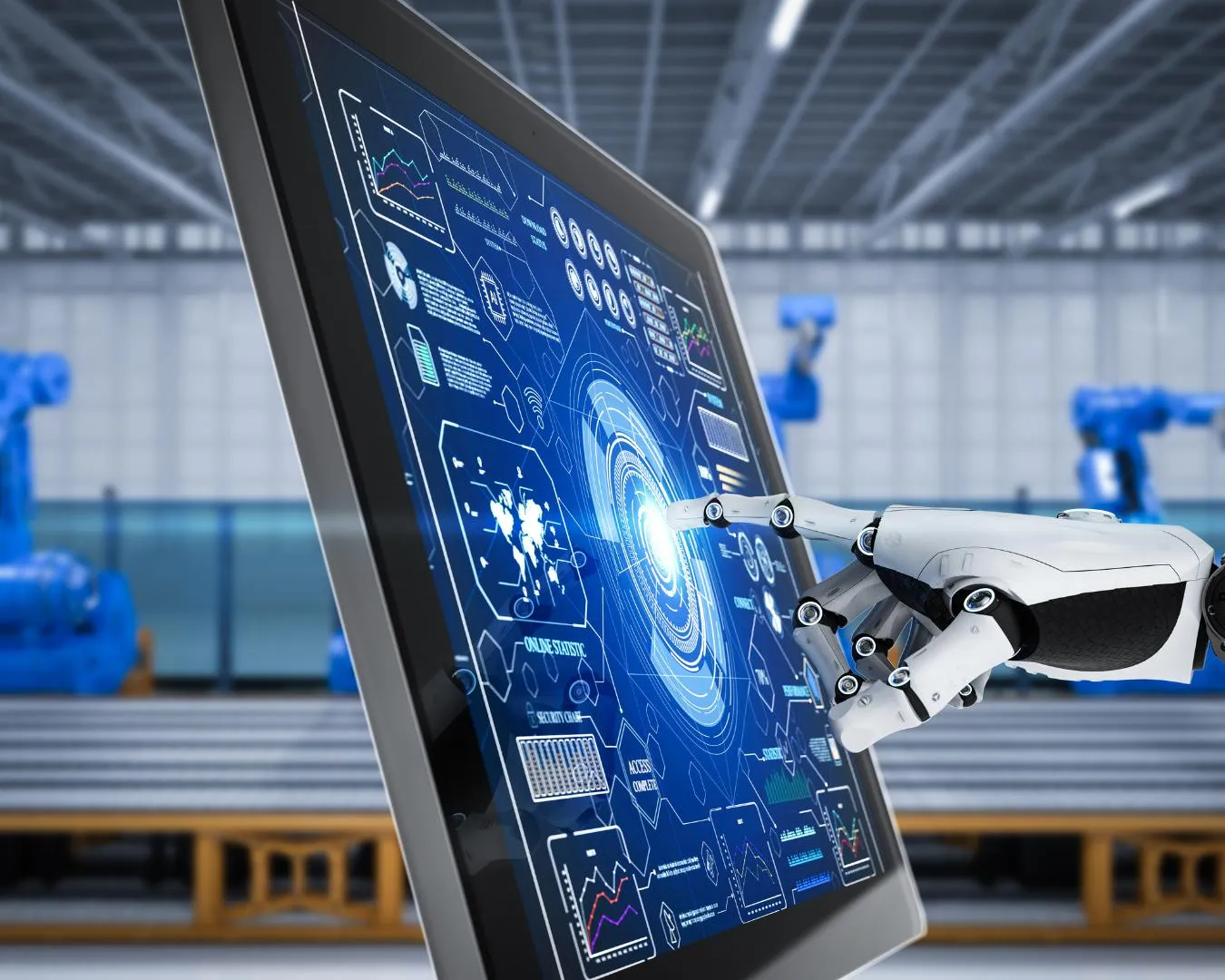
What is Warehouse Robotics?
Warehouse robots are automated robotic systems designed to support the transport, sorting, storage, and management of goods in warehouses. These robots are capable of continuous operation, self-navigation, and connecting with intelligent management systems like WMS or ERP.
Currently, warehouse robots are widely applied in:
- Distribution centers
- Manufacturing plants
- E-commerce warehouses
- Retail chains
- Cold storage and industrial warehouses
Thanks to the development of AI, sensors, and SLAM Mapping technology, robots are increasingly capable of flexible movement and effectively handling complex environments.
Benefits of Warehouse Automation with Robotics
Optimizing Operational Personnel:
Robots help businesses reduce labor shortage pressure in the logistics industry. Instead of using many personnel for repetitive
tasks, businesses can automate:
- Internal transport
- Picking
- Inventory
- Sorting goods
Increasing Goods Processing Speed:
Robots are capable of continuous 24/7 operation at stable speeds. This helps:
- Increase import/export speed
- Shorten order processing time
- Optimize transport flows
Reducing Operational Errors:
Robotic systems are precisely programmed and directly connected to warehouse management data. This helps reduce:
- Goods confusion
- Incorrect storage locations
- Inventory errors
Future Trends of Smart Warehouses
Smart Warehouse is becoming an inevitable development trend of modern logistics. Not just stopping at basic automation, smart warehouses today are integrating:
- AI data analysis
- IoT monitoring of goods
- Digital Twin
- Robotics Integration
- Smart WMS systems
- Self-learn operational behaviors
- Optimize routes in real-time
- Predict risks
- Coordinate multiple automated robots
Which Businesses Should Apply Warehouse Robotics?
Robotic solutions are particularly suitable for:
- Logistics enterprises
- E-commerce warehouses
- Manufacturing plants
- Distribution centers
- Businesses needing 24/7 operation