
Robotics Integration
In the era of digital transformation and industrial automation, Robotics Integration is becoming a vital foundation for businesses to build smart operational ecosystems. It is not just about deploying robots; Robotics Integration is the process of connecting robots with the entire operational system to optimize data, processes, and performance.
From manufacturing plants and warehouses to hospitals and smart buildings, robot integration is helping businesses enhance automation and create more modern Smart Factory models.
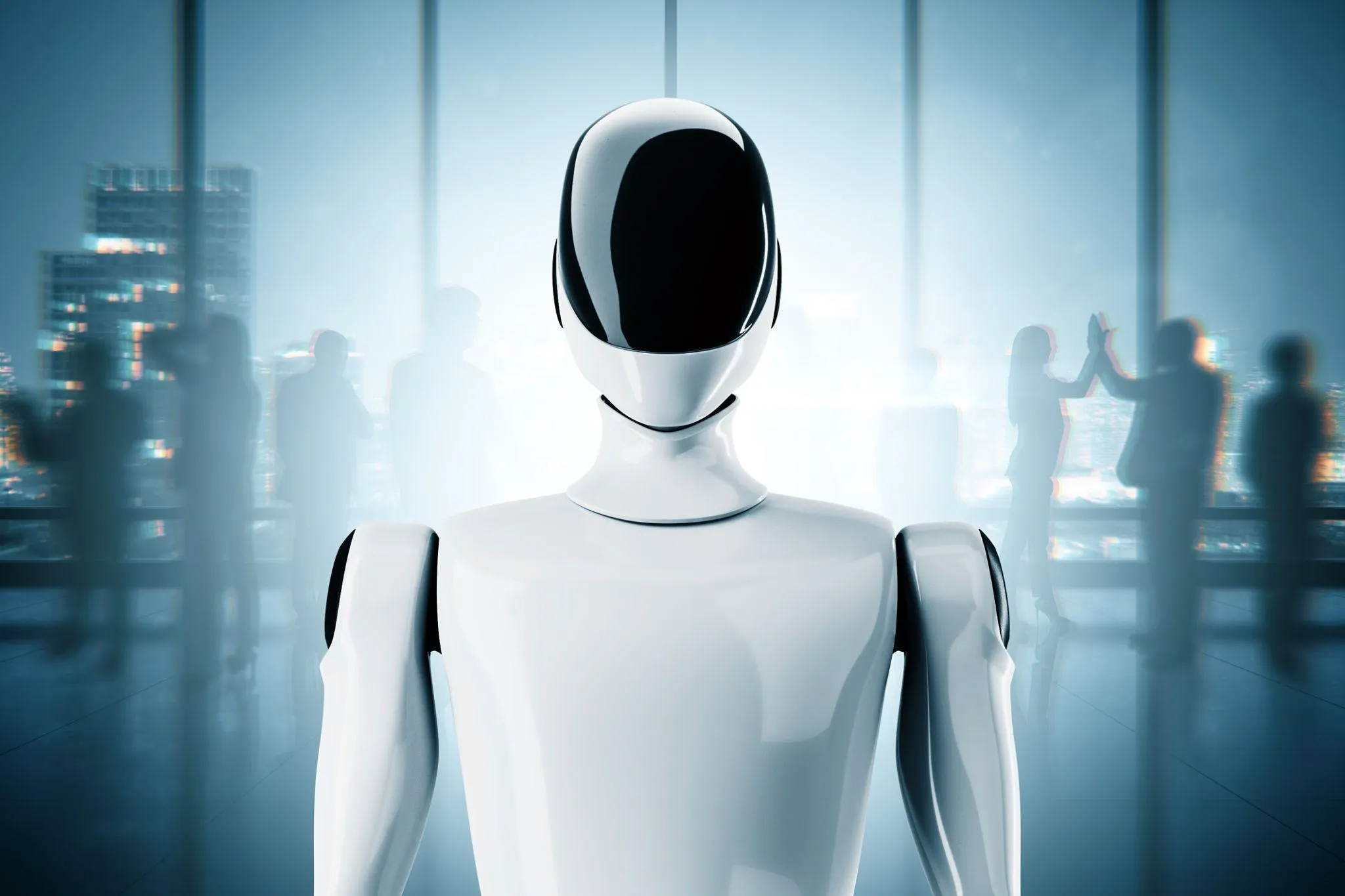
How Does Robotics Integration Work?
Robotics Integration is the process of connecting robots with a company's management and operational systems through software, data, and central control platforms.
Instead of robots operating independently, integrated systems allow for:
- Automated task reception for robots
- Real-time data synchronization
- Communication with other devices
- Operational process optimization
Examples:
- Warehouse robots receiving data from the warehouse management system
- Service robots connecting to elevators in a building
- Manufacturing robots coordinating with automated production lines
All data is managed on a central platform, helping businesses monitor and optimize operational performance.
Key Components in Robotics Integration
A Robotics Integration system typically includes:
WMS (Warehouse Management System) helps manage:
- Inventory
- Goods location
- Transport flows
- Inbound and outbound goods
When integrated with AGVs and AMRs, the system can automatically allocate transport tasks, optimize storage locations, and synchronize data in real-time. This is a vital foundation for modern Smart Warehouse models.
Central Control System - ERP (Enterprise Resource Planning)
This management platform helps:
- Allocate tasks
- Track robot status
- Monitor operational data
- Optimize performance
IoT Data Connectivity Infrastructure (Internet of Things)
This is a crucial part that enables robots to communicate with:
- Warehouse management systems
- Enterprise software
- IoT sensors
- Elevator systems
- Production lines
Benefits of Robotics Integration for Businesses
Synchronization of Entire System Operations
Robotics Integration helps all devices and robots operate within the same data platform.
This helps:
- Reduce system fragmentation
- Optimize operational flows
- Increase automated coordination capabilities
Increased Efficiency and Processing Speed
When robots connect directly with operational data, the system can:
- Automatically allocate tasks
- Optimize routes
- Reduce wait times
- Increase processing speed
Reduction of Operational Errors
Integrated systems allow robots to operate based on accurate data rather than manual operations. This helps reduce:
- Transport errors
- Warehouse inaccuracies
- Data mix-ups
- Process interruptions
Future Trends of Smart Factories
Smart Factory is becoming an inevitable development trend in modern industry. In this model, robots do not work in isolation but become part of an intelligent data ecosystem. Technologies driving this trend include:
- AI
- IoT
- Digital Twin
- Cloud Robotics
- Edge Computing
- Machine Learning
In the future, robots can:
- Optimize processes based on real-time data
- Coordinate multiple robots
- Predict system failures
- Automatically adjust activities
This helps businesses build much more flexible, intelligent, and efficient production and operation models compared to traditional systems.
Which Businesses Should Implement Robotics Integration?
Robotics Integration solutions are suitable for:
- Manufacturing enterprises
- Logistics and warehousing
- Industrial plants
- Hospitals
- Hotels
- Smart buildings
- Shopping centers
Especially for businesses undergoing digital transformation, Robotics Integration is a vital step in building modern Smart Factory and Smart Building models.